The Challenge
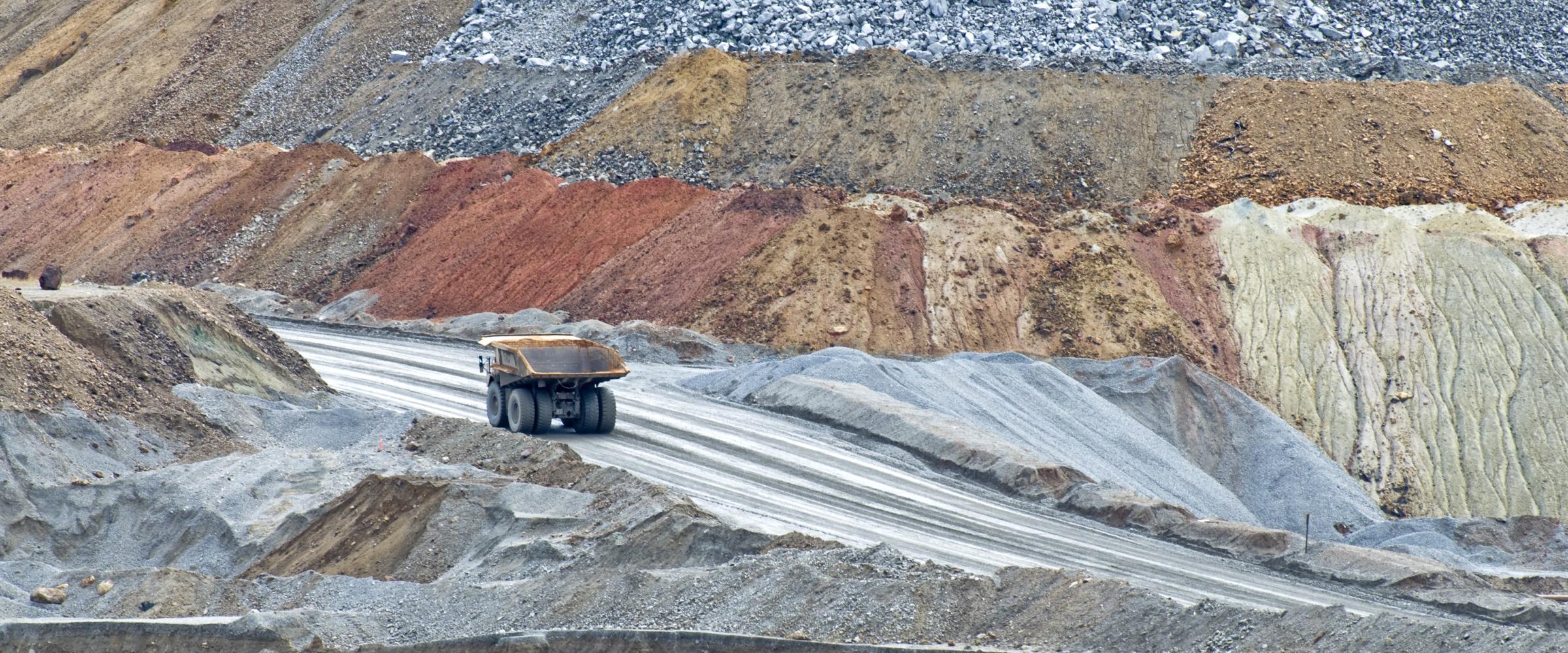
Achieving a secure and affordable domestic supply of critical minerals is challenging because these elements are often found in trace amounts, mixed in complex, hard-to-separate compounds and geological formations that are difficult to access. This results in expensive and inefficient mining and processing. In some cases, the specialized technology needed to isolate minerals from these difficult domestic sources often lags because development has prioritized easier-to-process imported sources.
How are we making a difference?
The Energy Technologies Area (ETA) is tackling the logistical and technological hurdles to secure the U.S. critical mineral supply chain. Our researchers leverage expertise in chemistry, materials science, AI, and technoeconomic analysis to develop new technologies and analytical tools. These innovations will enable industrial partners to identify and enable new mineral sources, efficiently extract elements, and recover valuable materials from both used products and industrial waste.
Extracting Critical Minerals in U.S. Brines, Rock & Soil
Rapidly separating critical minerals from sources like brines and tailings is essential. This efficiency will establish a competitive advantage for U.S.-mined and domestically synthesized materials. Achieving this is crucial for securing the U.S. supply chain and reducing reliance on foreign imports. These projects focus on developing advanced technologies, such as the Mg-PONb sponge and electrochemical leaching, to recover critical minerals from unconventional domestic sources like concentrated brines and clay feedstocks.
Magnesium Separation and Recovery from Concentrated Brines
Although brines contain about 60% of the world’s known Li reserves, extracting Li from them remains inefficient due to antiquated, brute-force methods. Our new material developed at Lawrence Berkeley National Laboratory, known as the "Mg-PONb sponge," presents a breakthrough solution to this problem.
Electrochemical Lithium Extraction from Clay Feedstocks
Imagine turning ordinary clay into a viable source of battery-grade lithium without the roaring furnaces, vats of concentrated acid, and towering carbon footprint that normally come with the job. That is exactly what this new electrochemical-leaching technology achieves.
Producing via Domestic Mineral Conversion Processes
ETA researchers are actively driving innovation by tailoring material conversion processes specifically for domestic mineral sources. This targeted approach is designed to produce more cost-competitive feedstocks.
Cathode Materials
ETA’s strength in synthesis, characterization, and testing offers an opportunity to create new cathode materials that match or exceed the energy density of current Li-ion cathodes but can be produced from less constrained transition metals such as iron, manganese, vanadium, titanium, or molybdenum. Disordered Rocksalts with Li-eXcess (DRX) materials present a unique opportunity to address both the cost and the resource limitations related to Li-ion battery technology, without sacrificing energy content.
Using Autonomous Discovery Platforms to Boost Manufacturing
Scaling up U.S. manufacturing is crucial, and it requires the strategic deployment of autonomous discovery platforms. These platforms, including Forum-AI, the Laser Self-Driving Lab, and the Materials Project database, utilize automation and AI/ML techniques to rapidly design, synthesize, and characterize new material properties to meet manufacturing needs.
FORUM-AI
FORUM-AI (Foundation Models Orchestrating Reasoning Agents to Uncover Materials Advances and Insights) — supports the Genesis Mission, a new national initiative led by the Department of Energy to advance AI and accelerate discovery, providing solutions for challenges in science, energy, and national security.
Laser Self-Driving Lab
The Laser Self-Driving Lab uses high-throughput fabrication and characterization techniques to make and measure a new sample every few seconds to minutes. The lab is focusing on separations of rare earth magnets within the Mines to Magnets thrust of METALLIC.
Recycling & Recovering Critical Minerals
ETA researchers are leveraging their supply chain analysis expertise in Technoeconomic Analysis (TEA), material flow analysis (MFA), and life-cycle assessment (LCA). This work is focused on increasing U.S. critical material supply chain security by identifying and reducing risk through supply alternatives. Their analysis covers minerals recovered from industrial processes and various mining waste sources.
Increasing Security of U.S. Gallium Supply
A new LBNL study maps the complete U.S. gallium supply chain, tracing gallium from its origins in bauxite and zinc ores to its final destination in common consumer products like LEDs and chips. The study shows that America’s 100 percent dependence on imports through Chinese gallium refining can be avoided through using domestic resources.
Copper Supply for Energy Systems in the U.S.
The demand for copper in the U.S. is expected to rise due to expanding energy infrastructure, and while recycling is important, new primary copper production projects are being developed to meet this demand. ETA researchers created a dataset of mine projects, estimating copper productivity by technology pathway. The findings suggest that limits to smelting could be a bottleneck for new projects, and highlight the potential for leaching efforts using waste materials, as well as the need for partnerships between mines and resource providers.

The open-access materials database managed by LBNL has surpassed 650,000 registered users, enabling AI-ready scientific datasets at an unprecedented scale for batteries, quantum computing, microelectronics, and more.

Approximately 80% of our nation’s energy comes from deep belowground in Earth’s subsurface, an environment Berkeley Lab scientists have been studying for almost five decades. Partnering with industry and academia, their goal is to enable more effective and informed use of underground resources — from fossil fuels to geothermal energy to water.

New research led by the Department of Energy’s Lawrence Berkeley National Laboratory (Berkeley Lab) opens up a potential low-cost, safe alternative in manganese, the fifth most abundant metal in the Earth’s crust.